

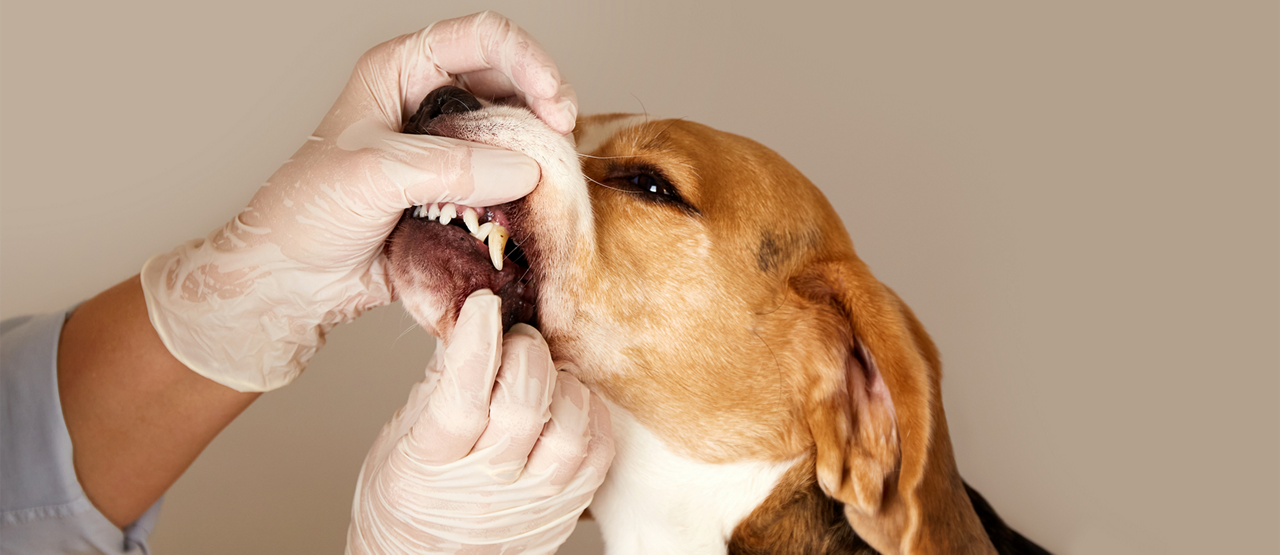
Pet dental health is more than just fresh breath and clean teeth. It's essential for overall health and well-being. In fact, dental hygiene is so important, it can add years to your pet's life. The reality is that up to 70% of cats and 80% of dogs are showing signs of periodontal disease by age three. In this blog, we'll discuss the different aspects of pet dental health and how it can help your pets live longer, healthier, happier lives.
The Importance of Dental Health for Dogs & Cats
Considering how important pet dental health is for overall well-being, it’s surprising how many pet parents don’t make it a priority. Recently, Banfield Pet Hospital conducted a U.S. pet dental health study and found that a whopping 73% of dogs and 64% of cats were affected by dental-related issues. That’s how widespread dental disease is among pets. And most of it is preventable. Your pet's dental health doesn't have to be complicated or scary. With the right habits, you can protect their teeth, their comfort, and their overall health.
Dental disease can lead to pain, drooling, bleeding, and reluctance to eat and is directly linked to more serious health conditions like kidney disease and endocarditis (a life-threatening inflammation of the inner lining of the heart chambers and valves). For example, cats with advanced periodontal disease were 1.5x more likely to develop chronic kidney disease, and dogs were 2.3x more likely to develop endocarditis.
Smaller dog breeds, such as Beagles, Terriers, Dachshunds, and Chihuahuas, are even more vulnerable to oral health issues.
Common Dental Problems in Dogs & Cats: Let's talk about what can go wrong and, more importantly, what you can spot before it becomes a bigger problem.
Fractured Teeth
-Fractured teeth are more than just a cosmetic issue. They can cause pain, eating problems, behavior changes, risk of infection, and impact long-term health. Oral bacteria can spread and strain the heart, liver, or kidneys. A fractured tooth in both dogs and cats usually requires veterinary treatment. If you notice a chipped or broken tooth, don't wait. Even if your pet seems fine, they could be in pain and not showing you.
Tartar & Plaque
-Tartar and plaque can cause a range of problematic health issues, from gum irritation to bad breath to periodontal disease and systematic health issues. Plaque and tartar are often the first steps toward painful dental disease.
Periodontal Disease
-Periodontal disease is the most common health issue in adult pets, but it's almost entirely preventable. It breaks down the bone, gum tissue, and supporting structures that keep teeth in place. Unfortunately, by the time you notice something's wrong, there's usually already damage happening beneath the gum line. To help you manage your dog’s or cat’s dental health, here are the signs of periodontal disease and tips on how you can prevent it.
Signs of Periodontal Disease in Dogs:
-Bad breath
-Red, swollen, or bleeding gums
-Yellow or brown buildup on teeth
-Drooling or dropping food while eating
-Loose or missing teeth
-Pawing at the mouth or face
-Reluctance to eat hard food or chew toys
Signs of Periodontal Disease in Cats:
-Bad breath
-Drooling (sometimes with blood)
-Swollen, red gums (especially around the back teeth)
-Decreased appetite or dropping food
-Weight loss from avoiding food-Pawing at the mouth or face
-Reduced grooming or a scruffy coat
Note: Cats are masters at hiding their discomfort. Sometimes the only signs are weight loss or a dull coat, which is easy to miss if you're not paying attention.
Top 5 Ways to Prevent Periodontal Disease in Dogs
-Brush teeth daily with dog-safe toothpaste.
-Give high-quality dental chews/toys to help scrub away plaque.
-Feed a dental-friendly diet designed for oral health.
-Schedule regular vet visits to catch issues early.
-Plan yearly professional cleanings for a deep, thorough clean.
Top 5 Ways to Prevent Periodontal Disease in Cats
-Brush teeth often (start slowly, use cat-safe toothpaste).
-Offer high-quality dental treats made to reduce tartar.
-Choose dental-health diets if recommended by your vet.
-Get routine checkups, as cats hide dental pain well.
-Book vet cleanings to protect gums and teeth long-term.
How to Know If Your Pet Needs a Dental Checkup
Your pet can’t tell you when their mouth hurts. Dogs might still beg for treats, and cats might still eat (just less). So, it’s up to us to notice the signs, no matter how subtle. Left unchecked, these small signals can turn into painful infections that affect more than just their teeth. Regular dental checkups are the best way to catch problems early and keep your dog or cat healthy and comfortable.
Signs Your Dog Needs a Dental Checkup
-Persistent bad breath
-Yellow or brown buildup on teeth
-Inflamed or bleeding gums
-Drooling or dropping food
-Loose or missing teeth
-Reluctance to chew toys or hard food
-Pawing at the mouth or face
-Changes in behavior, like irritability or withdrawal
Signs Your Cat Needs a Dental Checkup
-Bad breath
-Drooling (sometimes with blood)
-Irritated or bloody gums
-Dropping food or chewing on one side
-Eating less or avoiding dry kibble
-Pawing at the mouth or face
-Less grooming or a scruffy coat
-Hiding more or acting irritable
At-Home Dental Care Tips
The good news? You don't need to be a vet to make a real difference in your pet's dental health. A few simple habits at home can prevent most of the problems we've talked about. Routine home dental care can help keep your dog or cat comfortable and thriving. But always make sure to discuss all dental routines with your vet prior to starting a new regimen.
At-Home Dental Care Tips for Dogs
-Brush teeth daily with dog-safe toothpaste.
-Offer dental chews or toys designed to reduce plaque and tartar.
-Use water additives or oral rinses recommended by your vet.
-Feed dental-friendly kibble or treats that support oral health.
-Regularly check teeth and gums for signs of redness, swelling, or buildup.
-Start slowly if your dog isn’t used to brushing, rewarding them for calm behavior.
At-Home Dental Care Tips for Cats
-Brush teeth regularly with cat-safe toothpaste (even a few times a week helps).
-Offer dental treats or treats designed to reduce tartar.
-Consider a dental diet if recommended by your vet.
-Gently inspect gums and teeth for redness, swelling, or plaque.
-Encourage chewing with safe toys or treats to help scrape teeth naturally.
-Be patient—cats often need short, calm sessions and lots of positive reinforcement.
Professional Veterinary Dental Care: Professional dental cleanings are the most effective way to maintain your pet’s oral health. Nothing beats it. It protects teeth and gums, prevents serious infections, and can even add years to your pet’s life. How often your pet should get professional cleaning depends on age, breed, oral health, and risk factors. Think of it like this: brushing at home is maintenance, and professional cleanings are the deep clean that gets what you can't reach. Both matter.
Why Pet Dental Care Can Be Expensive
We know dental care costs can often catch pet parents off guard. It’s one of the most common concerns we hear. The truth is, veterinary dental work involves more than you may think, and every step has your pets’ safety and comfort in mind.
First, it involves anesthesia, which is necessary so your vet can examine areas your pet would never tolerate while awake. Throughout the procedure, a trained team closely monitors your pet’s vital signs to ensure everything goes smoothly. Once under, your vet can examine below the gumline, take dental X-rays, and clean areas that brushing simply can’t reach.
All of this requires skilled professionals, specialized equipment, and careful attention to keep your pet safe from start to finish. While these factors do add to the cost, they’re what make the procedure safe, thorough, and truly effective. This pro care goes beyond the surface, and that is exactly what your pet deserves.
How Often Veterinarians Recommend Professional Dental Cleanings
-Dogs: Puppies and young adult dogs with healthy teeth may need cleaning every 12 to 24 months. Adult dogs, especially medium to large breeds, often benefit from annual cleanings. Dogs with early signs of periodontal disease or breeds prone to dental issues may require cleaning every six to 12 months.
-Cats: Kittens and young adult cats with healthy teeth often need a first professional cleaning around one to two years of age. Adult cats typically benefit from annual cleanings, while those showing early dental disease, tartar buildup, or tooth resorption may need cleaning every six to 12 months.
Small Habits, Big Impact: Regular cleanings help prevent tartar buildup, periodontal disease, tooth loss, and painful infections. Combined with consistent at-home care, it gives your pet the best chance at a healthy mouth and a healthier life. Dental care may not seem like it, but it’s one of the most important parts of pet parenting. If you're not sure where to start, or if you've noticed any of the warning signs we talked about, we're here to help. Your pet's comfort and health are worth it.
References:
-Animal Dental Center. (n.d.). 8 warning signs of pet dental disease. https://www.animaldentalcenter.com/pet-owners/8-warning-signs-of-pet-dental-disease/
-American Veterinary Medical Association. (2023). Dental health for dogs and cats. AVMA. https://www.avma.org/resources-tools/pet-owners/petcare/dental-health-dogs-cats
-American Veterinary Dental College. (2023). Veterinary dental cleaning. AVDC. https://avdc.org/owners/pet-dental-care/veterinary-dental-cleaning/
-American Veterinary Medical Association. (2022). Periodontal disease in pets. AVMA. https://www.avma.org/resources-tools/pet-owners/petcare/periodontal-disease
-American Veterinary Medical Association. (2023). Preventing dental disease in pets. AVMA. https://www.avma.org/resources-tools/pet-owners/petcare/preventing-dental-disease